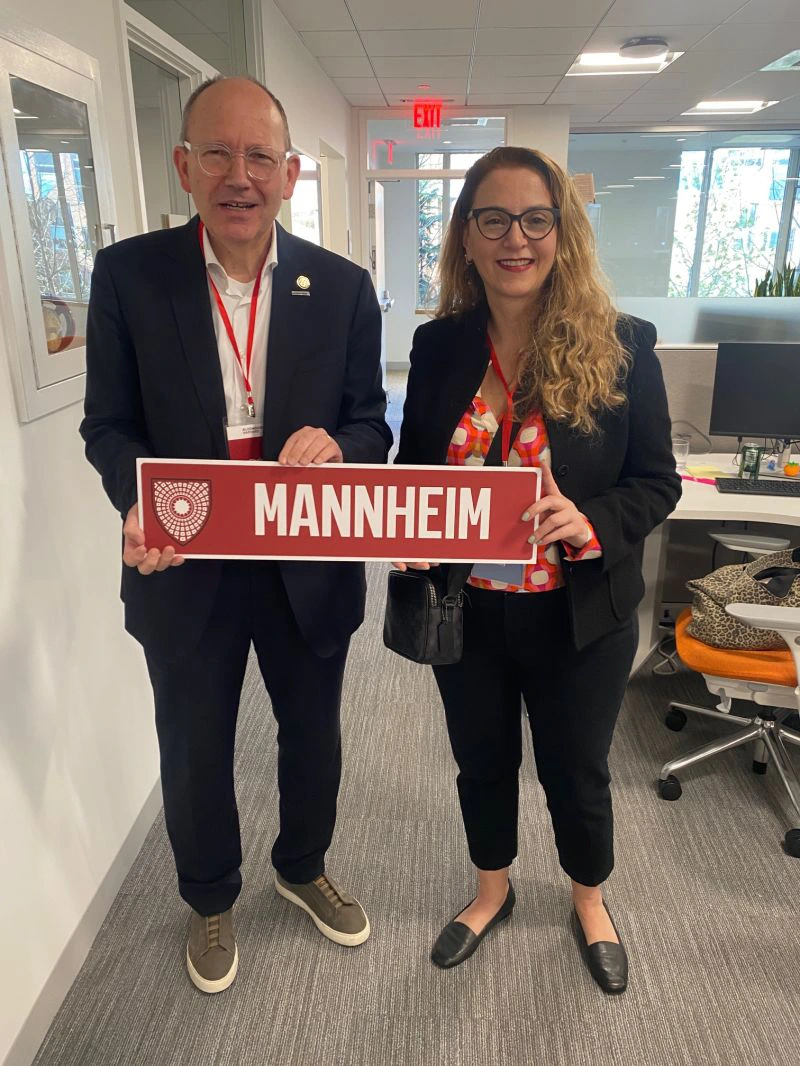
Im Bloomberg Center for Cities der Harvard University stellte mir der Mannheimer Oberbürgermeister Christian Specht eine Frage, mit der sich derzeit viele Städte in ganz Deutschland auseinandersetzen:
Wie unterrichtet man eine Klasse, wenn jedes Kind eine andere Geschichte erzählt?
In einer äußerst vielfältigen Klasse geht der Unterricht weit über den Lehrplan hinaus. Pädagog*innen müssen sich in mehreren Sprachen zurechtfinden, mit unterschiedlichen Deutschkenntnissen, unterschiedlichen Lese- und Schreibfähigkeiten zu Hause und der ständigen Herausforderung, Zusammenhalt in einem Raum zu schaffen, in dem Kinder noch lernen, dazuzugehören. Das Behalten des Gelernten wird schwierig, wenn die Inhalte nicht auf den aktuellen Stand der Lernenden zugeschnitten sind. Das Engagement wird schwierig, wenn sich die Schüler*innen nicht wiedererkennen.
Er interessierte sich besonders für meine Perspektive, die durch mehr als 15 Jahre als preisgekrönte Kinderbuchautorin geprägt ist, die sich mit Lese- und Schreibkompetenz sowie Mehrsprachigkeit beschäftigt, sowie durch fundierte Erfahrung in der Unternehmensberatung und meinem derzeitigen Masterstudium in Lerndesign, Innovation und Technologie.
Meiner Ansicht nach kann KI als gemeinsamer Nenner in superdiversen Klassenzimmern fungieren. Sie kann Texte in Echtzeit an unterschiedliche Lesestufen anpassen, mehrsprachige Lernhilfen bereitstellen, differenzierte Materialien aus einer einzigen Unterrichtseinheit generieren und jedem Kind eine Stimme in einer Sprache geben, in der es sich ausdrücken kann.
Das war es, was in unserem Gespräch am meisten nachhallte: kein Technologie-Pitch, sondern eine Vision davon, wie KI Lehrer bei ihrer täglichen Arbeit unterstützen kann, Klassenzimmer zu gestalten, in denen jedes Kind dazugehören kann.